
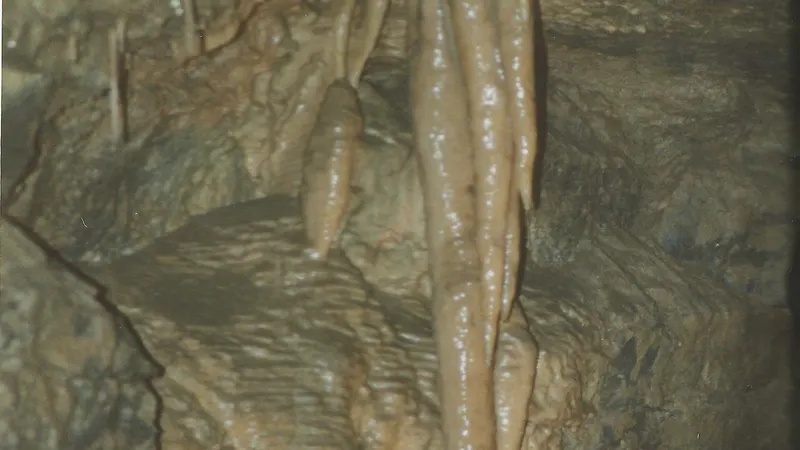
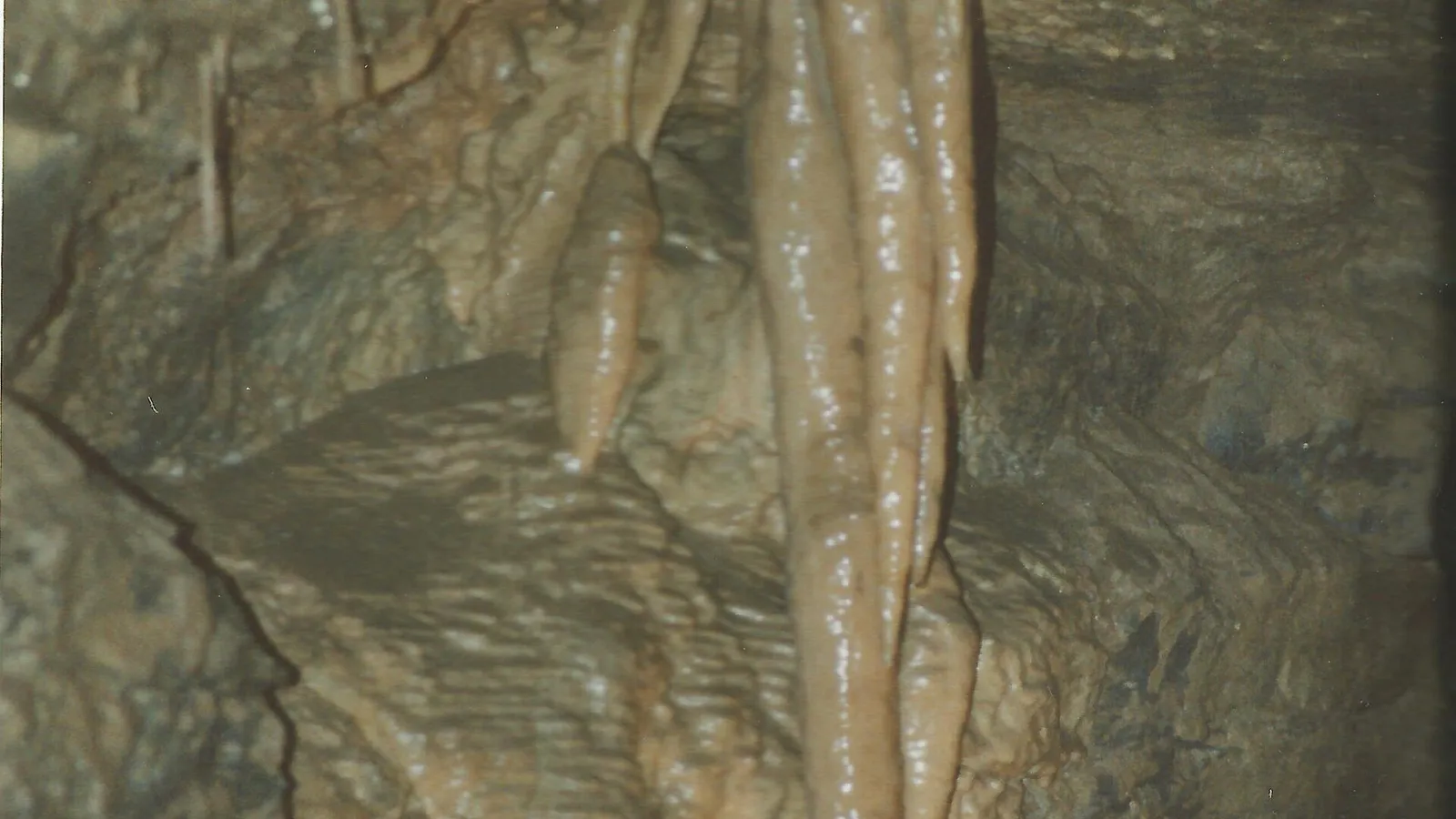
 Aillwee CaveThe cave system runs inside Aillwee Mountain above Ballyvaughan, walked on a guided route past old bear hibernation pits.
Guide
Ireland in the rain: what to do when the weather turns
It rains on somewhere between 150 and 225 days a year depending on which coast you are on, so the honest answer is to plan for it rather than around it. The short version: go underground in Clare, into the museums in Dublin or Waterford, or into a folk park, and keep the headlands for the bright hour that usually turns up anyway.
Go underground, which is the same weather every day
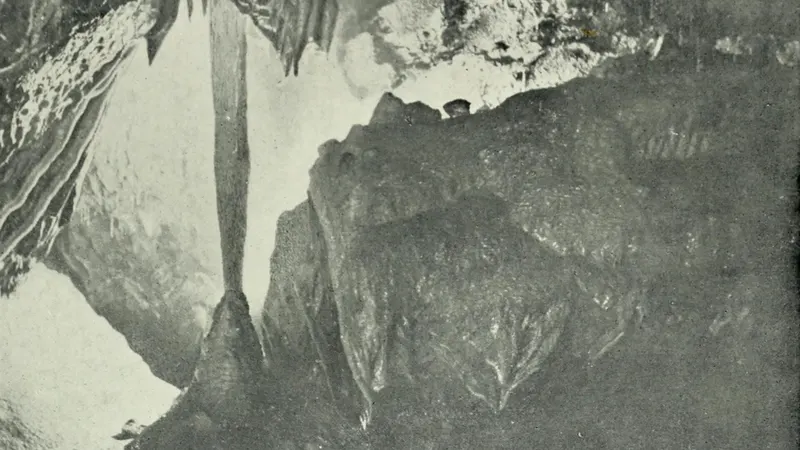
Clare has two caves twenty minutes apart. Aillwee Cave is the older visit, a river cave under the Burren with a waterfall in it, and there is a bird of prey centre at the entrance. Doolin Cave has the Great Stalactite, which is over seven metres of a single formation and one of the largest in the northern hemisphere.
Dunmore Cave is the one with the story: Viking-age remains were found in it and the annals record a raid there in 928. Mitchelstown Cave runs to about two kilometres of passage. In Roscommon, the Arigna Mining Experience is a coal mine rather than a cave, guided by men who worked it, which is a different kind of hour altogether.
The Dublin museums, in order of how wet you are
If you are soaked and want one building for three hours, the National Museum of Ireland, Archaeology is the answer and it costs nothing to go in. The bog bodies and the Broighter gold are on the ground floor.
EPIC The Irish Emigration Museum is entirely indoors and entirely screens, which suits a bad afternoon. Trinity College and the Long Room is a timed ticket and a short visit. Kilmainham Gaol is technically outdoors in parts and the roof of the east wing is glass, so heavy rain is part of the experience rather than a problem. The National Gallery of Ireland is free, warm and big.
Waterford does a whole wet day on one street
Waterford has the best clustered rainy day in the country. Waterford Medieval Museum, the Bishop's Palace and Reginald's Tower are within a few minutes of each other on the quay and are sold as one ticket or separately, and the House of Waterford Crystal factory tour is around the corner.
Reginald's Tower is the oldest urban civic building in Ireland and has been a mint, a prison and an arsenal. On a bad day the whole thing is done without getting wet between buildings, which is the point.
Folk parks, which are outdoors but built for this
A folk park is a set of reconstructed buildings you move between, so you are outside for a minute at a time and inside a thatched house with a fire the rest of it. Bunratty Castle and Folk Park is the biggest and has the castle as well. Craggaunowen has a crannog and a ring fort built the way they were built.
Glencolmcille Folk Village in Donegal is three cottages furnished for 1720, 1820 and 1920, and it is on one of the wettest stretches of coast in the country, which tells you it was designed with rain in mind. Sligo Folk Park and the National Museum of Ireland, Country Life at Turlough Park do the same job in the northwest, and in the midlands the Corlea Trackway Visitor Centre is built over an iron age oak road found in the bog, with eighteen metres of it preserved indoors.
The outdoor places that do not care about weather
Some places are better wet. Glendalough in rain is a valley with cloud down on the lakes and far fewer people in it. Torc Waterfall and Powerscourt Waterfall are both bigger after rain, which is obvious and still worth saying. Glencar Waterfall and Glenevin Waterfall are the same.
Kylemore Abbey is a house, a walled garden and a lake, and the walk between them is short enough to do in a shower. Birr Castle Demesne and Mount Usher Gardens are gardens built around trees and water rather than bedding, so a wet day does not undress them.
Castles and houses that are roofed
A ruin in rain is a wet field with walls. A roofed castle is a different day. Athlone Castle is a museum built inside the castle and is entirely indoors. Kilkenny Castle is furnished and warm, and Malahide Castle on the edge of Dublin has the house, a walled garden and glasshouses on the same site.
Lissadell House and Gardens and Killruddery House and Gardens are both houses with a garden you can give up on and go inside. Birr Castle Demesne has the great telescope and a science centre with a roof on it.
What not to plan for a wet day
Leave the cliff walks and the headlands for a dry one, not because of the rain but because of what comes with it. Cliffs of Moher, Sliabh Liag (Slieve League) and Mullaghmore Head in a strong onshore wind are genuinely dangerous near the edge and give you nothing to look at anyway.
The same goes for the islands. Inis Mor, Clare Island and Arranmore all depend on a sailing, and a bad forecast is how you end up spending the day on a pier. Keep them as the flexible day.
Questions people ask
How many days a year does it rain in Ireland?
Roughly 150 days a year on the east coast and up to about 225 on parts of the west, counting any day with a millimetre or more. It is rarely heavy all day, which is why planning an indoor morning and an outdoor afternoon works better than watching the forecast.
What is the best indoor attraction in Ireland?
For one building on one bad day, the National Museum of Ireland, Archaeology in Dublin. It is free, it takes three hours if you let it, and the prehistoric gold and the bog bodies are things you cannot see anywhere else.
Is it worth visiting Ireland in winter?
The museums, caves, castles and folk parks on this page are open through most of the winter and are quieter. The ferries to the islands and some of the smaller visitor centres run a reduced season or close, so check each one rather than assuming.
The places in this guide
39 places, each with a page of its own.
Aillwee CaveThe cave system runs inside Aillwee Mountain above Ballyvaughan, walked on a guided route past old bear hibernation pits.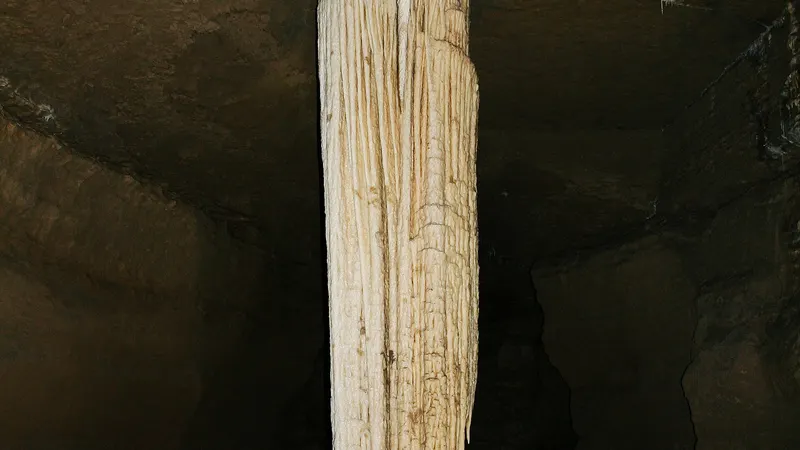 Doolin CaveOne very large free hanging stalactite is what you go down the stairway for, on a guided tour near Doolin.
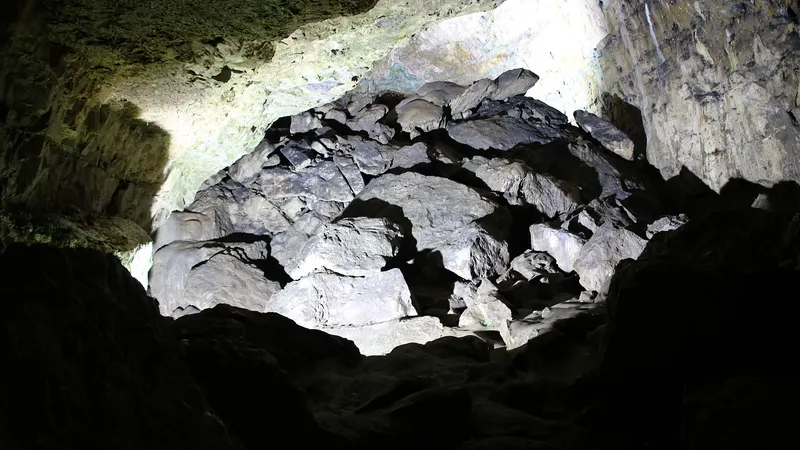 Dunmore CaveStairs from the visitor centre take you down into a limestone cave north of the city, and a tall calcite column is what everyone comes out talking about.
 Mitchelstown CaveThe cave runs under the Galtee foothills at Burncourt, walked on a guided route through three large chambers.
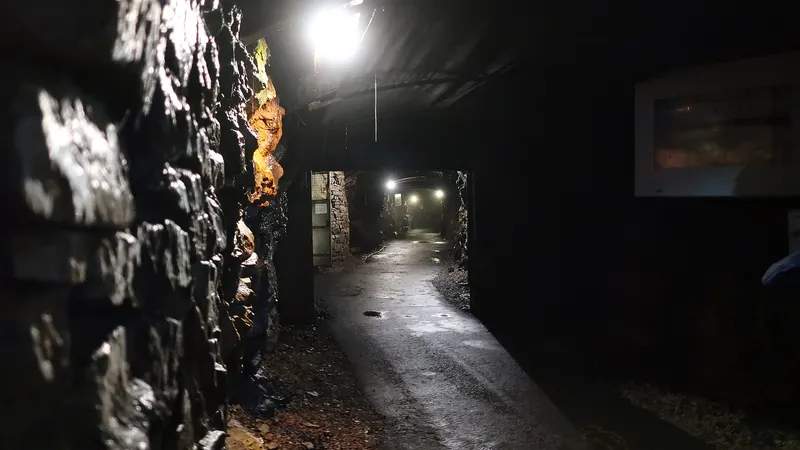 Arigna Mining ExperienceThe coal mine in the Arigna valley closed, and the underground tour is led by men who worked in it.
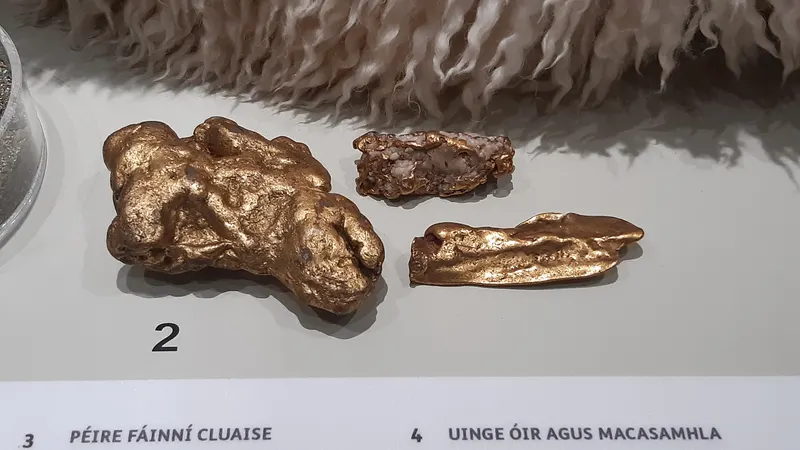 National Museum of Ireland, ArchaeologyThe Kildare Street museum. The Ardagh Chalice, the Tara Brooch and the bog bodies are all in it.
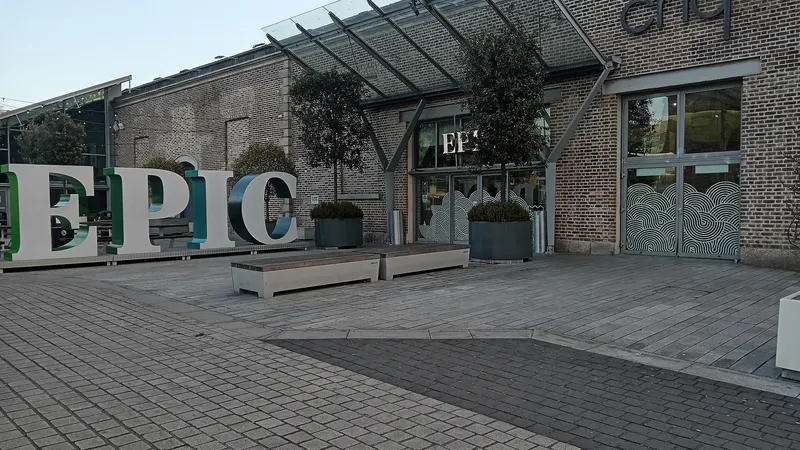 EPIC The Irish Emigration MuseumIrish emigration, told underground in the vaults of the CHQ Building on the north quays.
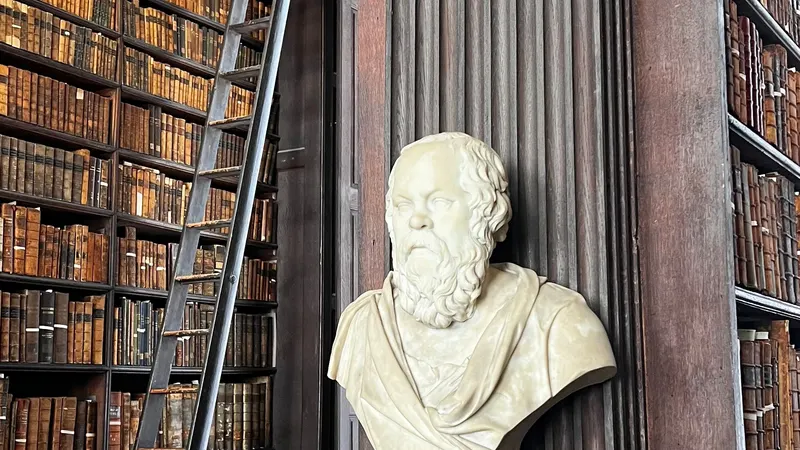 Trinity College and the Long RoomThe Book of Kells is in the Treasury under the Long Room. Most of the Long Room's books are out while the building is restored, until the end of 2027.
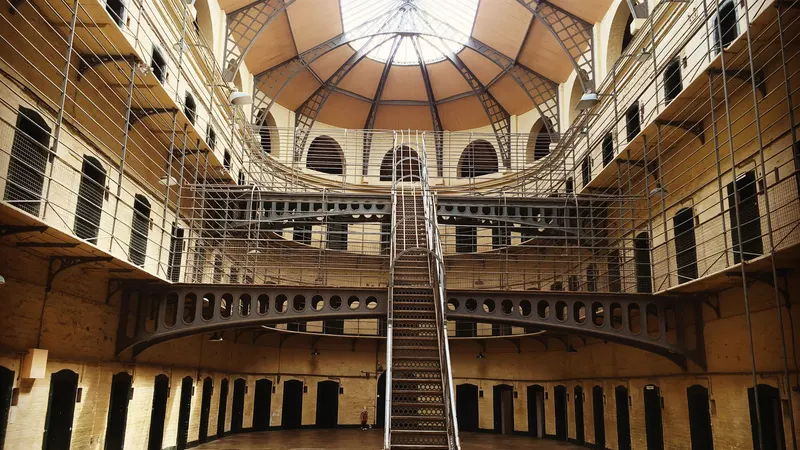 Kilmainham GaolThe prison is kept as it was. The leaders of the 1916 Rising were held here and shot here.
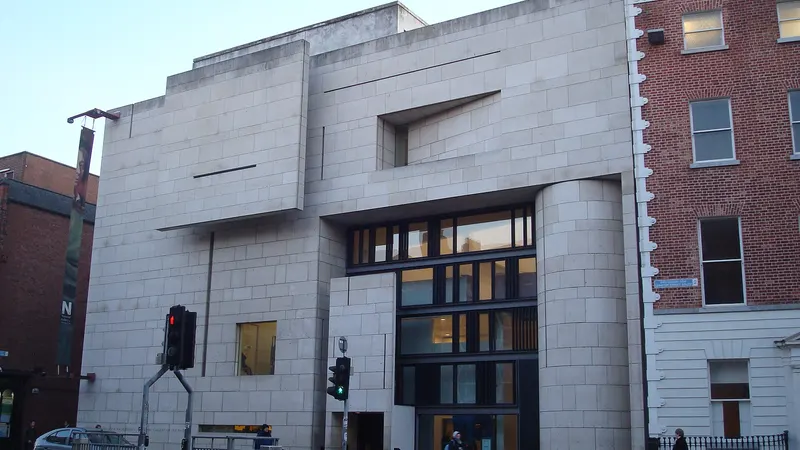 National Gallery of IrelandThe state art collection on Merrion Square. You can walk in free, and Caravaggio's Taking of Christ is in there.
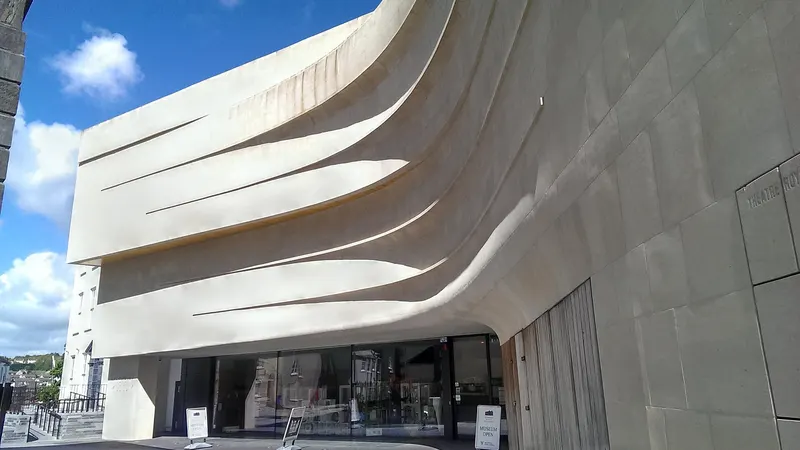 Waterford Medieval MuseumBuilt around two surviving medieval chambers in the Viking Triangle, holding the city charter roll and the vestments.
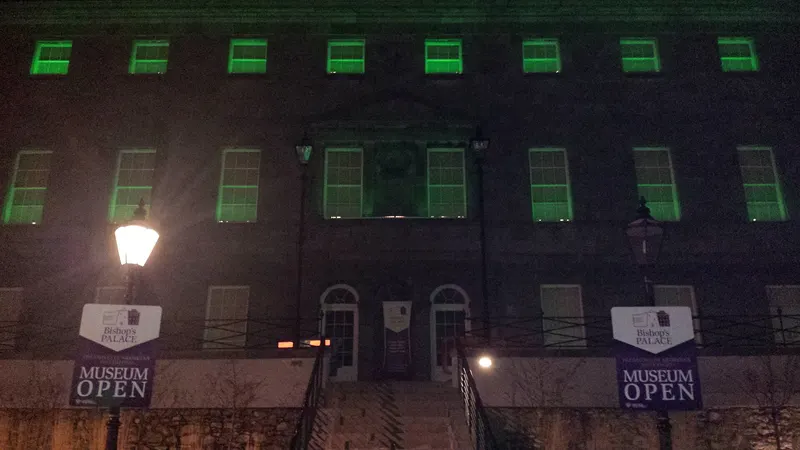 Bishop's PalaceThe Georgian house on the Mall shows the city's 18th and 19th century collections.
More guides
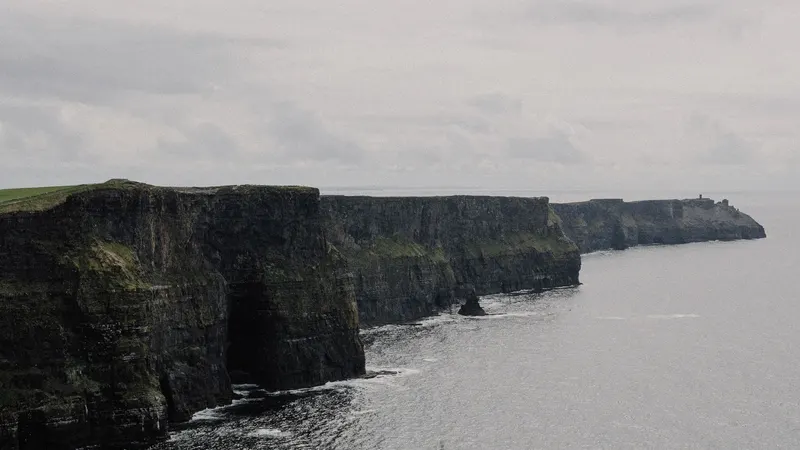 5 min readThe Wild Atlantic Way from Clare to DonegalThe northern half of the coast road, county by county, with the stops we would make and the ones we would drive past.
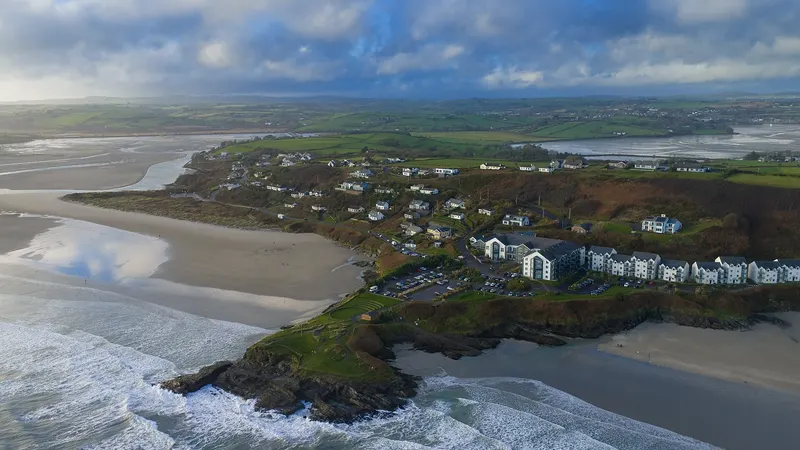 5 min readIreland's best beaches, province by provinceTwenty beaches worth the drive, sorted by province, with what each one is actually like when you get there.5 min readA first-timer's week in IrelandSeven days that take in Dublin, the Boyne valley, the southwest and the Burren without spending the whole week in the car.